


Spirit of Womanhood
Where the Lotus Blooms, Strength Resides: Honoring the Source of All Life
CVD RISK FACTORS IN WOMEN
Several major risk factors for cardiovascular disease affect both women and men, including high blood pressure, unhealthy diet, obesity, physical inactivity and high cholesterol. But other risk factors may play a bigger role in the development of CVD in women:
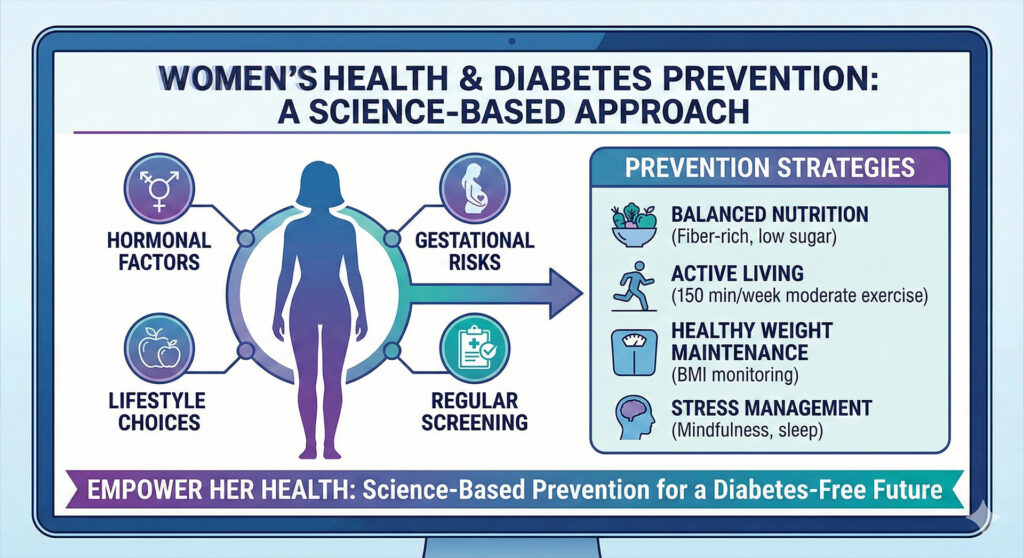
- Diabetes: Women with diabetes are more likely to develop heart disease than men with diabetes.
- Smoking: Women who smoke are more likely to develop CVD than men who smoke.
- Menopause: Low levels of estrogen after menopause increase the risk of developing cardiovascular disease.
- Pregnancy complications: High blood pressure or diabetes during pregnancy can increase a mother’s long-term risk of high blood pressure, diabetes and CVD.
- Women of all ages should take heart disease seriously and pay close attention to CVD risk factors.
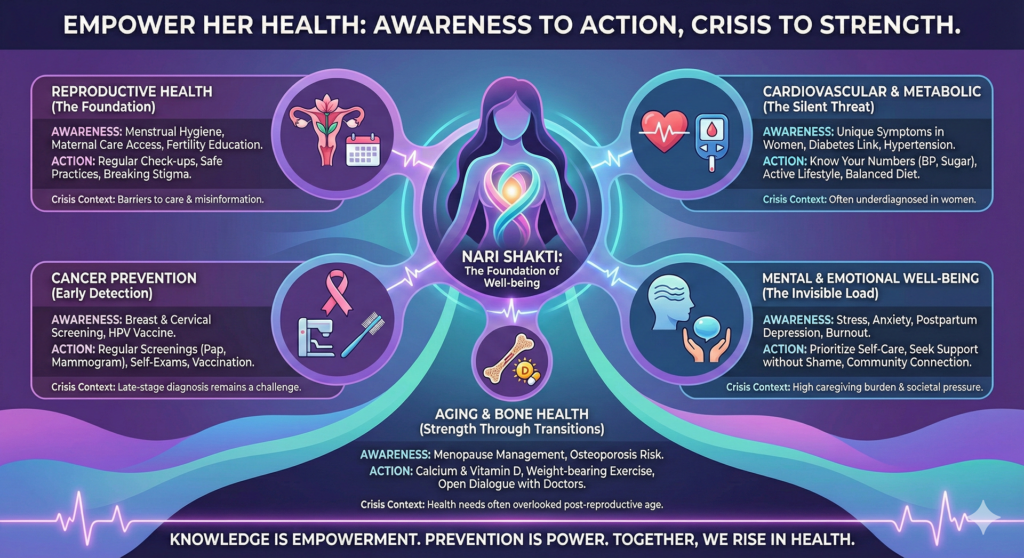
Empower Her Health: Awareness to Action, Crisis to Strength
Knowledge is power. Prevention is power. Together we rise in health
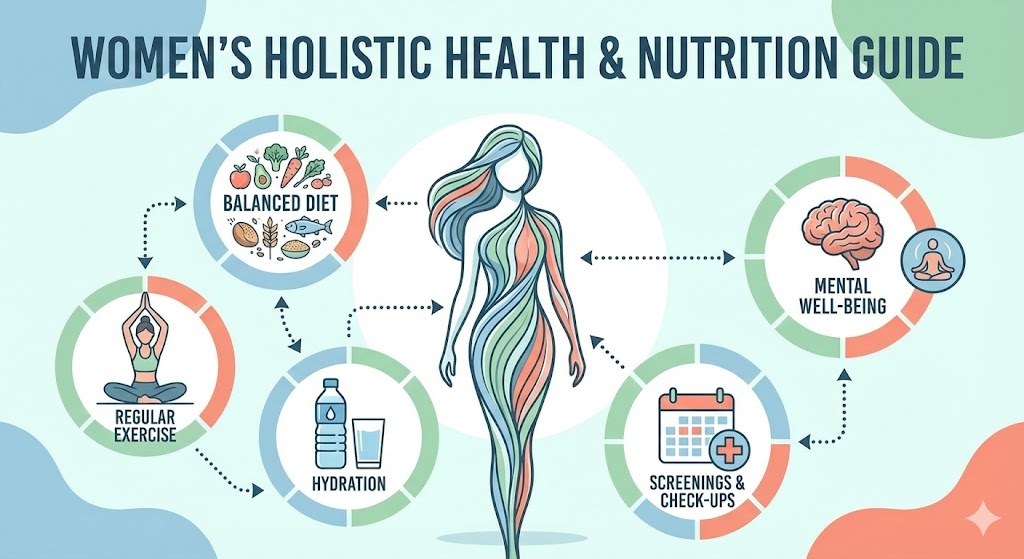
Women’s Health and Nutrition: A Lifelong Foundation for Well-Being
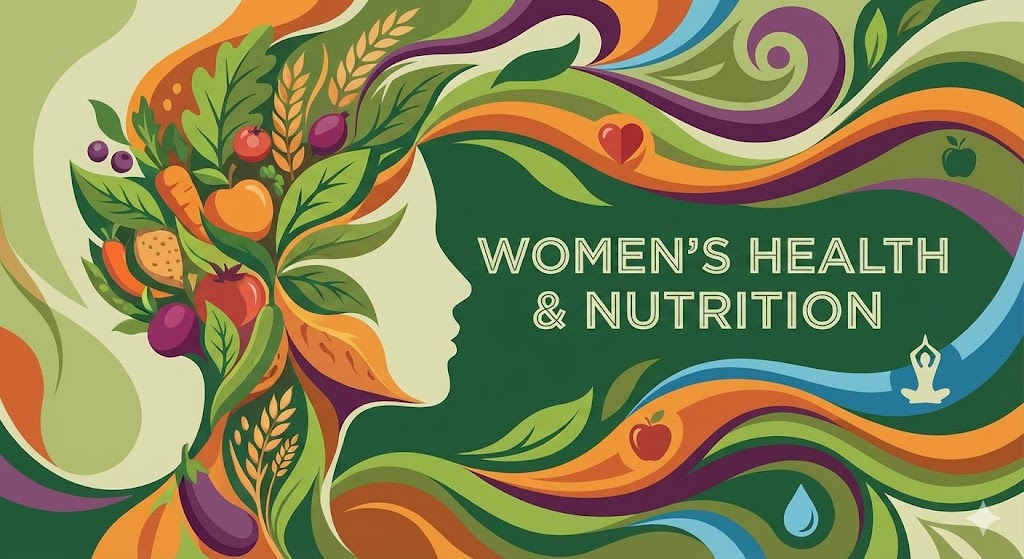
Women’s health is deeply influenced by nutrition across every stage of life—from adolescence and reproductive years to pregnancy, menopause, and older age. According to CDC-aligned public health guidance, proper nutrition is essential not only for physical health, but also for mental well-being, disease prevention, and quality of life.
Balanced Nutrition Is Essential for Women
- A healthy eating pattern should include:
- Fruits and vegetables of different colors
- Whole grains instead of refined grains
- Lean proteins such as beans, lentils, fish, eggs, and poultry
- Healthy fats from nuts, seeds, and plant oils
Balanced meals help maintain a healthy weight, regulate hormones, and reduce the risk of chronic diseases such as heart disease, diabetes, and certain cancers.
Key Nutrients Important for Women
Women have specific nutritional needs that change over time:
Iron: Important for preventing anemia, especially during menstruation and pregnancy
Calcium & Vitamin D: Essential for bone health and prevention of osteoporosis
Folate (Folic Acid): Crucial before and during pregnancy to prevent birth defects
Protein: Supports muscle strength, immunity, and tissue repair
Fiber: Improves digestion and supports heart and metabolic health
Meeting these needs through food first—and supplements when advised by healthcare providers—is strongly recommended.
Common Mental Health Issues
Depression: The most common problem; women are twice as likely as men to experience a major depressive episode in their lifetime.
Anxiety Disorders: Women are twice as likely to experience generalized anxiety or panic disorders.
Maternal Mental Health: Issues like postpartum depression (PPD) affect about 1 in 8 women following a live birth.
PTSD: Women are twice as likely to develop Post-Traumatic Stress Disorder, often due to higher exposure to sexual or domestic violence.
Eating Disorders: These disproportionately affect women and are frequently linked to body image issues and societal pressures.
Solutions and Action Steps
Routine Screening: The CDC recommends that all women, particularly during and after pregnancy, be screened for depression by their healthcare providers.
Professional Care: Seeking help from a primary care provider, psychologist, or psychiatrist for evidence-based treatments like talk therapy or medication.
Support Networks: Joining support groups and building strong social connections can reduce the isolation often associated with mental distress.
Self-Care Practices: Implementing daily habits such as regular exercise, a balanced diet, adequate sleep, and mindfulness techniques like meditation.

Dr. Gurkaramjit Singh Khaira
Contact: gurkaramjit.khaira5@gmail.com